What Is ESD Plastic? Properties, Applications & China ESD Plastic Supplier

What Is ESD Plastic? Properties, Applications & China ESD Plastic Supplier

Have you ever wondered how sensitive electronic components stay safe from static electricity? ESD plastic plays a vital role in this protection. It’s an engineered material designed to prevent static buildup and discharge, ensuring reliability in various applications. Understanding its properties and uses can greatly impact industries like electronics and packaging. Let’s explore what sets ESD plastic apart and why it’s essential for your operations.

What Is ESD Plastic?

Black and white ESD POM sheet samples with anti-static meter
Assorted thickness ESD POM sheets tested with anti-static meter

ESD plastic is specifically designed to manage static electricity, protecting sensitive components from damage.

You’ll find different types, like anti-static and static dissipative plastics, each serving unique purposes.

Understanding how these materials work can help you select the right one for your needs.

1. Definition and Key Characteristics of ESD Plastics

A type of engineered plastic, ESD plastic is specifically designed to prevent the buildup and discharge of static electricity. It plays a pivotal role in protecting sensitive electronic components from damage.

ESD-safe plastic combines properties of anti-static and static dissipative materials, ensuring safe handling in various environments. You’ll find that conductive plastics, which allow static charges to flow easily, are perfect for applications requiring rapid discharge.

Meanwhile, anti-static plastics focus on preventing static accumulation altogether. By integrating these materials into your manufacturing processes, you foster safety and reliability, creating a sense of belonging in industries that prioritize quality and performance.

Embracing ESD plastic means investing in both product longevity and user safety, which truly matters.

2. Difference Between Anti-Static, Static Dissipative(ESD Plastic), Conductive Plastic, and Insulative Plastics

Understanding the differences between anti-static, static dissipative(ESD Plastic), conductive plastic, and insulative plastics is vital for selecting the right material for your applications. Each type serves unique roles in static control:

TypeCharacteristics
Anti-Static PlasticPrevents static generation (10⁹–10¹² Ω)
Static Dissipative Plastic (ESD Plastic)Discharges static at controlled rate (10⁶–10⁹ Ω)
Conductive ESD PlasticConducts electricity quickly (10³–10⁶ Ω)
Insulative PlasticDoes not conduct (resistivity >10¹² Ω)

Choosing the right plastic depends on your specific needs—whether it’s for electronics, packaging, or automotive applications. Collaborating with an ESD plastic supplier can help guarantee you pick the best material for safety and performance. Embracing these differences not only enhances product reliability but also fosters a safer environment in your operations.

3. How ESD Plastics Work

How do ESD plastics effectively manage static electricity? They work by either dissipating or conducting static charges, depending on their type.

Conductive plastics quickly discharge static, making them perfect for high-risk environments like electronics manufacturing.

Dissipative plastics control static more gradually, offering a balanced approach for various applications.

Meanwhile, anti-static plastics prevent charge buildup altogether, which is essential in low-humidity settings.

By integrating these materials into your processes, you’re not just protecting sensitive components; you’re enhancing overall safety and reliability.

Choosing the right ESD plastic for your needs fosters a sense of community within your industry, ensuring everyone benefits from reduced risks and improved product quality.

Embracing ESD plastics means you’re prioritizing both safety and innovation.

Why Use ESD Plastic Materials?

Small ESD POM components on table in factory testing room
ESD-safe POM parts placed in testing room for performance evaluation

In industrial settings, static electricity poses significant risks that can damage sensitive equipment and compromise safety. By using ESD plastics, you can effectively mitigate these risks, ensuring safe handling and protecting valuable electronic components.

Plus, these materials enhance performance and reliability, making them a smart choice for electronics and packaging applications.

1. Static Electricity Risks in Industrial Environments

Static electricity poses significant risks in industrial environments, especially where sensitive electronic components are involved. You mightn't realize it, but even a small static discharge can lead to costly damage, disrupting production and affecting product quality.

If you work in electronics, automotive, or medical fields, it's vital to understand the dangers static can pose to your components. By using ESD plastic materials, you can mitigate these risks and create a safer workspace.

These materials help control static buildup, ensuring that your equipment remains protected from harmful discharges. Implementing ESD plastics not only safeguards your products but also fosters a culture of safety and reliability within your team.

This allows everyone to feel confident in their work environment.

2. Benefits of Using ESD Plastics in Electronics & Packaging

Why risk costly damage to your sensitive electronic components when ESD plastics can provide a reliable solution? By using ESD plastics, you create a protective barrier against electrostatic discharge, ensuring your devices stay safe during manufacturing and shipping.

These materials not only safeguard your products but also enhance overall durability, leading to fewer defects and lower costs over time. Plus, they align with industry standards, giving you peace of mind that you’re meeting safety requirements.

Moving to ESD plastics fosters a sense of community among manufacturers who prioritize quality and reliability. You’re not just protecting your components; you’re investing in a culture of excellence that benefits everyone in the supply chain.

Embrace ESD plastics, and strengthen your commitment to safety and innovation.

3. Safety and Performance Advantages to use ESD Plastics

When you choose ESD plastic materials, you're prioritizing both safety and performance in your products. These materials protect sensitive electronics from static damage, ensuring reliability in your designs.

By preventing electrostatic discharges, you’re not just safeguarding components but also fostering trust within your team and customers. ESD plastics enhance durability, reducing defects and downtime, which is essential for maintaining quality standards.

Moreover, they comply with industry regulations, boosting your credibility in the market. Using ESD plastics means you’re part of a community dedicated to innovation and safety.

With every product you create, you’re contributing to a safer environment, where performance and protection go hand in hand. Embrace ESD plastics and elevate your brand’s commitment to excellence.

Common Types of ESD Plastic Materials

Various ESD plastic resin granules neatly arranged
Multiple types of ESD plastic granules sorted by material and color

When selecting ESD plastics, you’ll encounter a variety of options like ESD ABS, ESD PVC, and ESD Polycarbonate (PC). Each material offers unique benefits, making them suitable for different applications, especially in precision parts.

Understanding these common types will help you choose the right one for your specific needs.

1. ESD ABS

Have you ever considered how vital ESD ABS is in protecting sensitive electronic components? This specialized plastic combines the durability of ABS with electrostatic discharge protection, making it a favorite in various industries.

You’ll find ESD ABS used in manufacturing processes, packaging, and electronic housings, where static control is imperative. Its ability to dissipate static charges ensures your components remain safe during handling and transport, fostering a sense of reliability in your work.

Plus, ESD ABS is lightweight yet tough, offering excellent impact resistance. By choosing ESD ABS, you’re not just opting for a material; you’re joining a community committed to safeguarding technology and enhancing product performance.

Embrace the benefits of ESD ABS in your projects and feel secure in your choice!

2. ESD PVC

Building on the significance of ESD ABS, ESD PVC is another important type of ESD plastic that plays a vital role in static control applications. It's often chosen for its flexibility and durability, making it ideal for various uses like packaging and protective covers. ESD PVC not only helps prevent static charge buildup but also offers excellent chemical resistance.

속성ESD PVC애플리케이션
표면 저항률10^6 - 10^9 ohms/sqPackaging, flooring
유연성높음Custom trays, protective covers
내화학성우수Electronics, automotive
Cost-effectiveness보통Various industries
무게경량Easy handling and transport

Incorporating ESD PVC into your projects guarantees safety and reliability.

3. ESD Polycarbonate (PC)

ESD Polycarbonate (PC) is a versatile choice among ESD plastics, known for its excellent impact resistance and optical clarity. You’ll appreciate how this material combines durability with electrical conductivity, making it ideal for protecting sensitive electronic components.

Its lightweight nature is perfect for various applications, from protective housings to display panels, ensuring safety without compromising visibility. Plus, ESD PC can be easily molded into complex shapes, allowing for innovative designs that meet your specific needs.

Whether you’re in electronics or automotive sectors, using ESD PC helps you connect with a community that values quality and reliability. By choosing this material, you’re not just selecting a product; you’re embracing a commitment to excellence and safety.

4. ESD POM and PEI/PEEK for Precision Parts

When precision and reliability are paramount, why not consider ESD POM (Polyoxymethylene) and PEI/PEEK (Polyetherimide/Polyetherketone)? These materials offer exceptional strength and stability, making them ideal for precision parts in various industries. Their ESD properties ensure safe handling of sensitive components, protecting them from static damage.

재료Key Properties애플리케이션
ESD POMHigh strength, low frictionGears, bearings, and connectors
PEI/PEEKHigh thermal resistanceAerospace, medical devices

Choosing ESD POM and PEI/PEEK means you're investing in quality and safety. By utilizing these materials, you align with industry standards, ensuring your products not only perform well but also maintain integrity in static-sensitive environments.

ESD Plastics for Industries and Applications

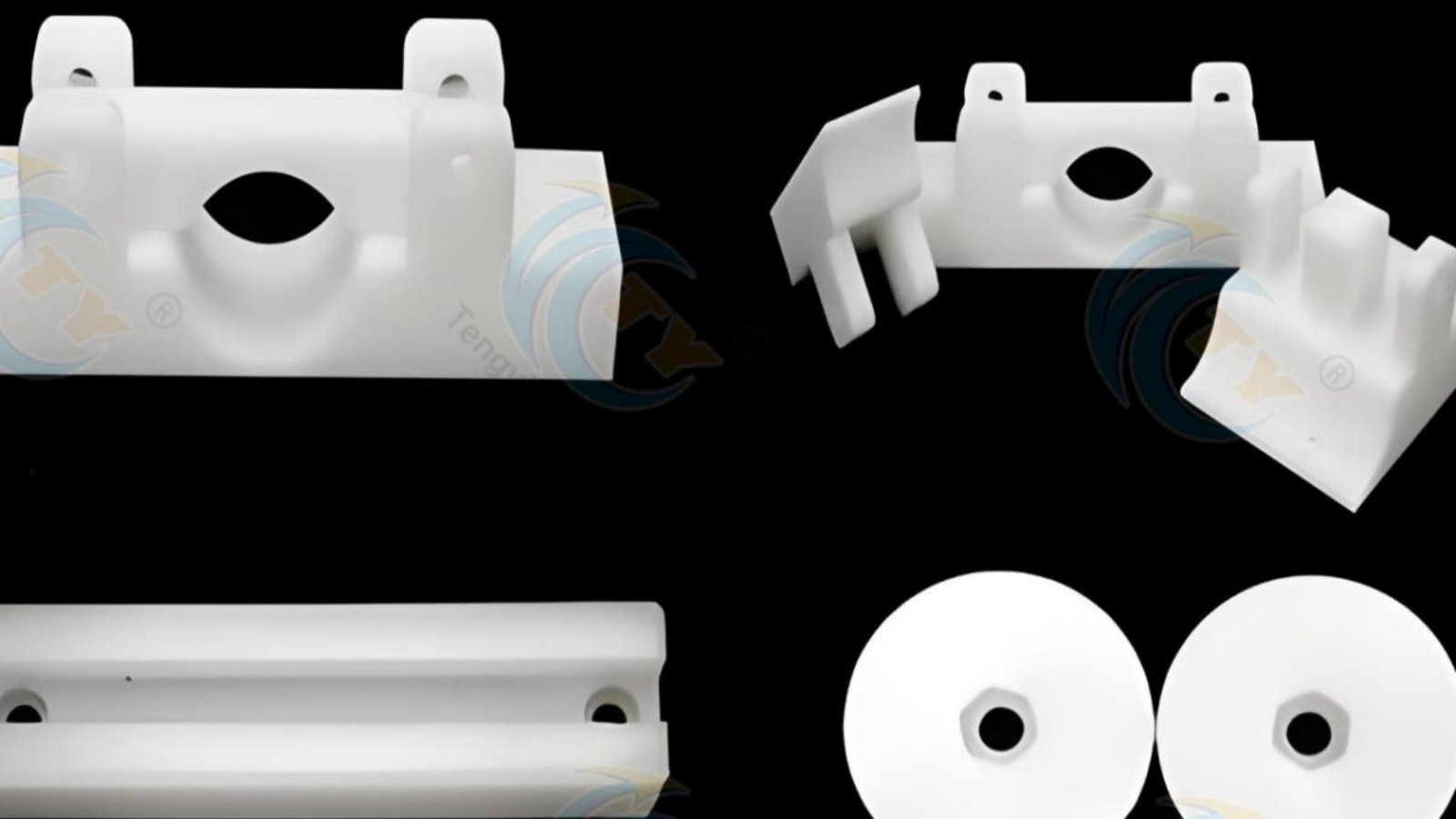
Multiple small ESD plastic parts neatly arranged
Small components made from ESD plastic, organized for inspection or use

When you think about ESD plastics, consider their vital roles in industries like electronics manufacturing and semiconductor production. These materials help protect sensitive components in cleanrooms and medical packaging, ensuring safety and reliability.

You'll also find ESD plastics in conveyor systems, trays, and storage bins, showcasing their versatility across various applications.

1. Electronics Manufacturing & Semiconductor Industry

In the fast-paced world of electronics manufacturing and the semiconductor industry, managing static electricity is essential for protecting sensitive components. You’ll find that ESD plastics play a pivotal role in this environment by ensuring safety and efficiency.

Here’s how they help streamline your processes:

  1. 1. Device Housings: Prevent static damage during assembly and transport.
  2. 2. Protective Packaging: Safeguard delicate components from electrostatic discharge.
  3. 3. Custom Trays: Organize parts effectively while minimizing contamination risks.
  4. 4. Workstation Materials: Enhance safety for employees handling sensitive electronics.

2. Cleanrooms and Medical Packaging

Cleanroom environments require the same meticulous attention to static management as electronics manufacturing and the semiconductor industry. In these controlled spaces, using ESD plastics is vital for protecting sensitive equipment and ensuring product integrity.

You’ll find ESD plastics in medical packaging, where they safeguard essential devices from static damage during transport and storage. They contribute to a sterile environment, minimizing contamination risks.

3. Conveyor Systems, Trays, Storage Bins, and More

As you explore the diverse applications of ESD plastics, conveyor systems, trays, storage bins, and other materials play a crucial role in various industries. These components not only protect sensitive items but also enhance efficiency in operations. Here’s how they contribute:

  1. 1. Conveyor Systems: Streamline the movement of goods, ensuring safe transport of electronic components.
  2. 2. Trays: Organize parts with designated slots, making retrieval easy and reducing the risk of damage.
  3. 3. Storage Bins: Safeguard items from static buildup while providing easy access and organization.
  4. 4. Custom Packaging: Tailored solutions protect sensitive electronics during transport and storage.

Using ESD plastics in these applications fosters a sense of community, ensuring everyone can work safely and efficiently together.

Anti-Static Plastic vs Conductive Plastic vs ESD Materials

Black ESD POM sheet placed in front of a production workshop
Premium black ESD POM sheet ready for machining, with factory background

When considering ESD materials, it’s vital to understand the differences between anti-static, conductive, and dissipative plastics. Each type has its unique surface resistivity and application, impacting your choice based on specific needs.

Let’s explore how to select the right material to guarantee effective static control in your projects.

1. Surface Resistivity Comparison Table

Understanding the differences in surface resistivity among anti-static plastics, conductive plastics, and ESD materials is essential for effective application in various industries. Here's a quick comparison to help you visualize their resistivity levels:

  1. 1. Anti-Static Plastics: Surface resistivitybetween 10^9 - 10^12 ohms/sq, designed to prevent static buildup.
  2. 2. Dissipative Plastics: Surface resistivity between 10^6 - 10^9 ohms/sq, controlling static discharge over time.
  3. 3. Conductive Plastics: High conductivity <10^6 ohms/sq, allowing for rapid static charge dissipation.
  4. 4. Insulative Plastic: Does not conduct (resistivity >10¹² Ω)

2. How to Choose the Right Material Based on Application

Choosing the right material for static control hinges on understanding the specific needs of your application.

If you're dealing with sensitive electronics, conductive plastics might be your best bet for quick static discharge.

For environments where static buildup needs to be controlled over time, dissipative plastics offer a balanced solution.

If your focus is on preventing static in low-humidity areas, anti-static plastics are ideal.

Think about your operational environment and the level of static protection required.

Remember, selecting the right material not only enhances product reliability but also fosters a sense of security for you and your team.

Why Choose Tengyi Plastic as Your ESD Plastic Supplier?

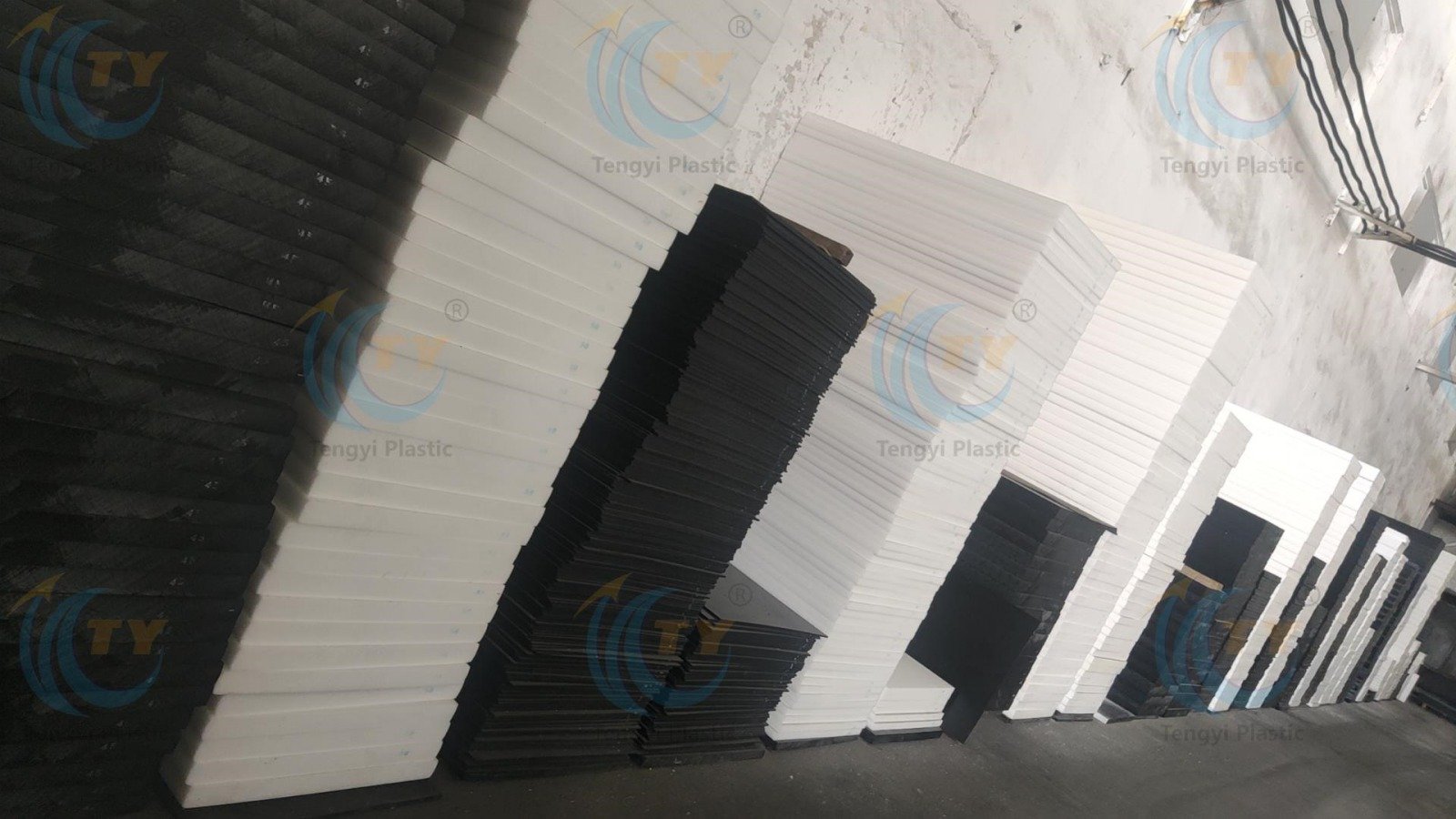
Black and white POM sheets and pom rods stacked in warehouse
POM sheet and pom rod inventory in various sizes, ready for dispatch

When selecting Tengyi Plastic as your ESD plastic supplier, you’ll benefit from strong stock and competitive pricing that meets your project needs.

Plus, their engineering support and fast quotation process guarantee you get the right solutions quickly.

With global shipping and dedicated customer service, you’ll have a reliable partner every step of the way.

1. Strong Stock & Competitive Price of ESD Plastics

If you’re looking for a reliable ESD plastic supplier, Tengyi Plastic stands out for its strong stock and competitive pricing. You'll appreciate the benefits of partnering with us, including:

  1. 1. Extensive Inventory: We maintain a diverse range of ESD plastics, ensuring you find exactly what you need.
  2. 2. Affordable Rates: Our pricing structure is designed to fit your budget without compromising quality.
  3. 3. Quick Turnaround: With ample stock, you’ll receive your products promptly, minimizing delays in your projects.
  4. 4. 품질 보증: We prioritize high standards, ensuring that every product meets industry requirements.

Joining hands with Tengyi Plastic means you’re not just a customer; you're part of a community committed to excellence and innovation in ESD solutions.

2. Engineering Support and Fast Quotation

Tengyi Plastic not only offers a strong stock and competitive pricing but also provides invaluable engineering support and fast quotations tailored to your specific needs.

When you partner with us, you gain access to a dedicated team ready to address your challenges and enhance your projects. We recognize that every requirement is unique, and we’re here to collaborate closely with you, ensuring that your goals are met efficiently.

Our streamlined quotation process means you won’t be left waiting; you’ll receive timely responses that help you keep your projects on track.

With Tengyi, you’re not just a customer—you’re part of a community that values innovation and quality. Let’s work together to create solutions that truly matter!

3. Global Shipping and Customer Service

Choosing the right supplier for ESD plastics can make a significant difference in your operations, especially when it comes to global shipping and exceptional customer service. When you partner with Tengyi Plastic, you’ll experience:

  1. 1. Reliable Shipping: Your orders arrive on time, no matter where you're in the world.
  2. 2. Personalized Support: Our dedicated team understands your unique needs and is ready to assist.
  3. 3. Transparent Communication: You’ll always know the status of your order, eliminating surprises.
  4. 4. 품질 보증: We ensure that each product meets rigorous safety and performance standards.

With Tengyi Plastic, you’re not just a customer; you’re part of a community that values quality, efficiency, and support.

Let's help you elevate your ESD plastic solutions today!

자주 묻는 질문

How Do Environmental Factors Affect ESD Plastic Performance?

Environmental factors like humidity and temperature considerably impact ESD plastic performance. You’ll find that higher humidity enhances charge dissipation, while low humidity can increase static buildup, affecting the effectiveness of your materials in preventing damage.

What Testing Methods Verify ESD Plastic Effectiveness?

To verify ESD plastic effectiveness, you can conduct tests like surface resistivity and charge decay evaluations. These methods guarantee your materials meet industry standards, keeping your products safe and reliable in static-sensitive environments.

Can ESD Plastics Be Recycled or Reused?

Yes, you can recycle or reuse ESD plastics, but it’s essential to guarantee they maintain their static-dissipative properties. Proper processing and separation from non-ESD materials help preserve their effectiveness and contribute to sustainable practices.

What Are the Costs Associated With ESD Plastic Materials?

When considering ESD plastic costs, you’ll find factors like material type, volume, and supplier influence pricing. Investing wisely guarantees you protect sensitive components, enhancing product reliability and safety while meeting industry standards for performance.

How Do I Maintain ESD Plastic Products Over Time?

To sustain your ESD plastic products over time, regularly clean them with non-abrasive materials, avoid exposure to extreme temperatures, and store them in a controlled environment. This ensures their longevity and effective static control.

결론

In summary, ESD plastic is vital for protecting sensitive electronics from static damage. By understanding its properties and applications, you can make informed choices for your projects. Whether you need anti-static, conductive, or static dissipative materials, selecting the right type is essential. With reputable suppliers like Tengyi Plastic in China, you can find high-quality ESD plastics tailored to your needs. Don’t compromise on safety—choose ESD plastic to guarantee reliability and longevity for your electronic components.


경질 투명 PVC 시트: 글로벌 구매자 가이드 및 산업 응용 분야

경질 투명 PVC 시트: 글로벌 구매자 가이드 및 산업 응용 분야

다음 프로젝트에 사용할 재료를 고려할 때 견고한 투명 PVC 시트가 필요할 수 있습니다. 내구성부터 비용 효율성까지 다양한 이점을 제공하기 때문에 다양한 산업 분야에서 인기 있는 선택입니다. 하지만 다른 옵션과 정확히 무엇이 다를까요? 고유한 장점과 활용 분야를 살펴보고 특정 요구 사항을 어떻게 충족할 수 있는지 알아보세요. 그 가능성은 매우 광범위하다는 것을 알게 될 것입니다.

리지드 투명 PVC 시트는 무엇인가요?

다양한 두께의 경질 투명 PVC 시트 샘플 스택
서로 다른 두께를 보여주는 단단한 투명 PVC 시트 샘플을 함께 쌓아 놓은 컬렉션입니다.

경질 투명 PVC(폴리염화비닐) 시트는 85-88% 광 투과율과 쇼어 D 80-85 경도를 결합한 내구성 있는 열가소성 소재입니다. 이 시트는 뛰어난 내충격성(ASTM D256 기준 55KJ/m²)을 제공하며 장시간 자외선 노출과 온도 변동(-30°C ~ +70°C)을 포함한 극한의 기상 조건을 견뎌냅니다. 표준 플라스틱과 달리 산, 알칼리(pH 2-12) 및 산업용 용매에 대한 화학적 불활성을 나타내면서 치수 안정성을 유지합니다. 이 소재의 가공성은 절단(±0.1mm 공차), 열성형 및 용제 용접과 호환되는 기존 공구를 사용하여 정밀하게 제작할 수 있어 취성 없이 유리와 같은 투명도가 필요한 애플리케이션에 이상적입니다. FDA 21 CFR 177.2600 및 UL 94 -5VA 인증을 획득하여 식품 접촉 및 방화 등급 환경을 준수합니다.

무게가 1.41g/cm³인 단단한 투명 PVC 시트는 튼튼하고 작업하기 쉬워 프로젝트에 이상적입니다.

핵심 기술 사양

경질 투명 PVC 시트는 고품질 폴리염화비닐로 제작되어 뛰어난 강도와 인상적인 투명성을 제공합니다. 이 경질 투명 PVC 시트는 뛰어난 내후성과 화학적 안정성을 자랑하여 다양한 용도에 이상적입니다. 매끄럽고 평평한 표면은 흡수성이 없고 변형에 강해 수명과 내구성을 보장합니다.

사양세부 정보
밀도1.4g/cm³
두께 범위0.5 - 15 mm
사용 가능한 크기1000x2000mm, 1220x2440mm
빛 투과85-88%
내충격성아크릴보다 10배 더 강한 내충격성
자외선 안정성수정되지 않은 PVC는 2~3년 내에 황변을 보이며 성능이 저하됩니다.
내화학성산, 알칼리 및 수영장 화학 물질에 대한 내성
화재 등급UL94-5VA 표면 화상
색상투명/투명

이러한 특성 덕분에 경질 투명 폴리염화비닐 시트를 사용하는 프로젝트는 아름답게 빛나며 필요한 선명도와 보호 기능을 제공합니다. 이 다용도 투명 폴리머 시트로 가능성을 열어보세요!

경질 투명 PVC 시트의 7가지 경쟁 우위

Stack of 5mm thick rigid clear PVC sheets on a pallet in the workshop
Newly manufactured 5mm rigid clear PVC sheets placed on a pallet in the workshop.

투명 플라스틱 시장에서 많은 소재가 경쟁하고 있지만, 경질 투명 PVC 시트의 경쟁 우위는 단연 돋보입니다.

  1. 1. 비용 효율성: 폴리카보네이트보다 저렴한 40%.
  2. 2. 우수한 내화학성: 산성/알칼리성(pH 2-12)을 견딥니다.
  3. 3. 가공성: 레이저 절단 공차 ±0.1mm.
  4. 4. 최고의 난연성: UL94-5VA 인증.
  5. 5. 내습성: <0.01% 수분 흡수.
  6. 6. 빛 투과85-88% PC에 매우 가깝습니다.
  7. 7. 사용자 지정: 경질 투명 PVC 시트는 정전기 방지 (106-108 Ω) 및 자외선 차단 등급.

평판이 좋은 경질 투명 PVC 시트 공장인 텐이 플라스틱에서 이러한 시트에 쉽게 액세스할 수 있으므로 프로젝트 요구 사항을 확실하고 명확하게 충족할 수 있습니다.

경질 투명 PVC 시트의 애플리케이션 및 산업 사용 사례

Hand selecting between 2mm and 3mm rigid clear PVC sheets
A hand comparing 2mm and 3mm thick rigid clear PVC sheets.

경질 투명 PVC 시트의 용도를 고려할 때 다양한 산업에 완벽하게 어울리는 것을 알 수 있습니다. 건설 및 건축부터 의료 혁신, 간판, 포장에 이르기까지 이 다재다능한 소재는 다양한 용도로 사용할 수 있습니다.

내구성과 선명도가 뛰어나 기계 액세서리에도 이상적인 선택입니다.

건설 및 건축

경질 투명 PVC 시트는 뛰어난 내구성, 유연성, 투명성 덕분에 건설 및 건축 업계의 판도를 바꾸고 있습니다.

이 시트는 창문, 채광창, 파티션에 이상적이며 기존 유리를 대체할 수 있는 비용 효율적인 대안이 될 수 있습니다. 높은 빛 투과율과 내후성으로 프로젝트가 멋지게 보일 뿐만 아니라 시간의 흐름에도 견딜 수 있습니다.

또한 자르고 모양을 만들기도 쉬워 설치가 간편합니다. 현대적인 사무실 공간을 디자인하든 아늑한 집을 디자인하든 투명 PVC 시트는 비전을 실현하는 데 필요한 다용도성을 제공합니다.

의료 혁신

의료 분야에서 경질 PVC 시트의 다목적성은 건설 및 건축 분야에서의 활용도와 마찬가지로 그 가치가 입증되고 있습니다.

견고한 투명 PVC 시트는 병원과 클리닉의 안전을 보장하는 보호 장벽을 만드는 데 필수적입니다. 투명성과 내충격성 덕분에 의료 장비 제조에 신뢰할 수 있는 선택이며, 가시성과 접근이 용이합니다.

또한 의료 환경에서 필수적인 멸균 공정과도 호환됩니다. 경질 투명 PVC 시트는 절단 및 성형이 용이하여 맞춤형 프로젝트에 적합합니다.

사이니지 및 디스플레이

Transparent display stand made from rigid clear PVC sheet on a desk
A small transparent display stand crafted from rigid clear PVC sheet, showcasing its application as a desktop organizer.

사이니지 및 디스플레이는 가시성과 내구성이 중요하며, 견고한 투명 PVC 시트는 바로 이러한 기능을 제공합니다. 이 시트는 생동감 있는 POS 사이니지가 고객을 끌어들이는 소매 환경에 적합합니다. 뛰어난 빛 투과율로 메시지가 밝게 빛나며 내충격성이 뛰어나 멋진 외관을 유지합니다.

눈길을 사로잡는 디스플레이를 만들든 보호 장벽을 만들든, 투명 PVC 시트는 다용도로 사용할 수 있고 작업하기 쉽습니다. 또한 날씨와 화학 물질에 대한 내성이 뛰어나 오래 사용할 수 있어 다양한 용도로 신뢰할 수 있는 선택이 될 수 있습니다.

옵션을 탐색할 때 투명 PVC 시트를 선택하면 간판의 품격을 높일 뿐만 아니라 품질과 선명도에 대한 노력을 보여줌으로써 청중과의 유대감을 높일 수 있다는 점을 기억하세요.

기계 액세서리

견고한 투명 PVC 시트로 제작된 기계 액세서리는 내구성과 다용도성을 겸비한 최고의 제품입니다. 이러한 소재는 다양한 산업 분야에서 빛을 발합니다. 건설에서 의료에 이르기까지 창문과 파티션부터 보호 장벽에 이르기까지 모든 분야에서 신뢰할 수 있는 구성 요소로 사용됩니다.

또한 절단과 성형이 쉬워 필요에 맞게 구성 요소를 완벽하게 맞춤화할 수 있습니다. 간판이나 인클로저를 제작할 때 견고한 투명 PVC 시트는 믿을 수 있는 기계적 강도를 제공합니다.

이 다재다능한 소재를 사용하여 디자인과 솔루션을 향상시키는 혁신가 커뮤니티에 참여하세요.

포장 재료

투명 PVC 경질 시트로 만든 포장재는 내구성과 다용도로 인해 점점 더 인기를 얻고 있습니다. 이 소재는 제품을 보호하는 동시에 가시성을 확보할 수 있어 다양한 용도에 이상적입니다.

내충격성과 선명도를 갖춘 이 시트는 기능적일 뿐만 아니라 전체적인 프레젠테이션을 향상시킵니다.

포장재로 견고한 투명 PVC 시트를 선택한다는 것은 제품의 성공에 기여하는 품질과 신뢰성을 선택한다는 의미입니다.

산업 기계 커버

제조 또는 산업 분야의 경우, 내구성과 내충격성이 뛰어난 경질 투명 PVC 시트는 기계 커버에 탁월한 선택입니다.

이 시트는 필수적인 보호 기능을 제공하는 동시에 기계의 가시성을 확보하여 모든 사람이 작업에 대한 정보를 계속 파악할 수 있도록 함으로써 팀 내 소속감을 높여줍니다. 내후성과 유연성이 뛰어나 다양한 환경에 이상적이며 특정 요구사항에 맞게 조정할 수 있습니다.

장점:

단점:

Assorted thicknesses of rigid clear PVC sheet samples on a table, exhibiting colorful light refraction effects
Various thicknesses of rigid clear PVC sheet samples arranged on a table, with light refracting to produce a spectrum of colors

내구성이 뛰어나고 다재다능한 소재에 대한 수요가 계속 증가함에 따라 폴리염화비닐(PVC), 특히 경질 투명 PVC 시트의 글로벌 시장은 향후 몇 년간 크게 성장할 것으로 예상됩니다. 아시아 태평양과 같은 지역이 경질 투명 PVC 시트 생산에 대한 상당한 투자와 생산량 증가에 힘입어 시장을 주도할 것으로 예상됩니다.

이러한 트렌드를 수용하면 진화하는 시장 환경에서 앞서 나갈 수 있습니다.

시장 개요 및 성장 잠재력

다목적 소재에 대한 글로벌 수요가 증가함에 따라 경질 투명 PVC 시트를 주요 동력으로 하는 PVC 시장은 2025년부터 2030년까지 연평균 성장률(CAGR)이 41%를 넘어설 것으로 예상되는 등 크게 성장할 것으로 전망됩니다.

팬데믹 이후의 회복으로 의료 장비 및 사이니지와 같은 분야에서 리지드 클리어 PVC 시트의 광학적 선명도와 내화학성이 중요한 분야에서의 채택이 가속화되고 있습니다.

지역 시장 분석

다목적 소재에 대한 수요가 증가함에 따라 아태지역 PVC 시장은 성장 기회와 도전 과제를 모두 반영하는 변화를 경험하고 있습니다.

아시아 태평양 지역의 우위는 인도의 자동차 내장 패널과 중국의 자외선 차단 건물 외벽에 리지드 투명 PVC 시트를 적용하는 데서 비롯됩니다. 북미에서는 현재 63%의 신규 병원에서 감염 통제 장벽을 위해 의료용 경질 투명 PVC 시트를 지정하고 있습니다.

PVC 산업의 미래 트렌드

코로나19 팬데믹 기간 동안 많은 산업이 어려움을 겪었지만 PVC 시장은 회복세를 보이며 성장 전망을 밝게 하고 있습니다. 건설, 전자, 의료 분야의 수요 증가로 PVC의 다목적성과 내구성이 부각되고 있습니다.

진화하는 환경을 탐색하면서 다양한 애플리케이션에서 경질 투명 PVC 시트가 필수 불가결한 역할을 할 것으로 기대합니다. 혁신과 지속 가능성에 초점을 맞춘 PVC의 미래는 밝아 보이며, 사용자와 제조업체 모두의 공동체 의식을 고취하고 있습니다.

텐이 플라스틱은 경질 투명 PVC 시트 제조업체의 전문가입니다.

Stacked rigid clear PVC sheet samples of varying thicknesses on a table, showcasing high light transmission properties
Stacked samples of rigid clear PVC sheets in different thicknesses on a table, highlighting their excellent light transmission capabilities.

텐이 플라스틱은 다양한 산업 요구를 충족하는 고품질 엔지니어링 플라스틱을 제공하는 경질 투명 PVC 시트의 선도적인 제조업체로 두각을 나타내고 있습니다. 2007년부터 품질, 정직, 상호 이익에 중점을 두고 우수성을 인정받으며 명성을 쌓아왔습니다. 최첨단 생산 라인은 엄격한 테스트를 통해 일관된 성능을 보장합니다.

긴급한 수요에 대비한 대규모 재고 준비

텐이 플라스틱은 단단한 투명 PVC 시트로 된 500톤의 대형 재고 재고를 보유하고 있어 필요한 자재를 지체 없이 확보할 수 있습니다.

간판이나 건축 등 어떤 프로젝트를 진행 중이시든, 저희의 광범위한 컬렉션은 고객의 요구 사항을 충족하도록 설계되었습니다. 자료를 쉽게 구할 수 있다는 사실에 안심할 수 있습니다.

텐이 플라스틱을 공급업체로 선택한 수많은 만족스러운 고객과 함께하세요.

맞춤형 솔루션: 맞춤형 두께, 색상 옵션

텐이 플라스틱은 모든 프로젝트에 고유한 요구 사항이 있다는 것을 알고 있기 때문에 경질 투명 PVC 시트를 위한 맞춤형 솔루션을 제공합니다.

다양한 두께 중에서 선택할 수 있어 용도의 특정 요구 사항을 충족하는 시트를 만들 수 있습니다. 다루기 쉬운 가벼운 제품이 필요하든 내구성을 높이기 위해 두꺼운 옵션이 필요하든, 저희가 도와드리겠습니다.

또한 색상 옵션을 통해 시트를 맞춤화하여 브랜드 또는 프로젝트의 미학에 완벽하게 어울리는 시트를 만들 수 있습니다. 저희는 고객의 비전을 현실로 만들겠다는 신념으로 맞춤형 솔루션을 통해 필요한 기능과 스타일을 제공할 수 있다는 확신을 가지고 있습니다.

함께 협력하여 특별한 무언가를 만들어 봅시다!

정밀 커팅 서비스

단단한 투명 PVC 시트를위한 맞춤형 솔루션은 고객의 특정 요구 사항을 충족하도록 설계된 정밀 절단 서비스의 무대를 설정합니다. 텐이 플라스틱은 모든 프로젝트가 고유하다는 것을 알고 있으며, 당사의 절단 서비스를 통해 응용 분야에 필요한 정확한 치수를 보장합니다.

당사의 숙련된 팀은 고급 기술을 사용하여 디자인을 향상시키는 깔끔하고 정밀한 컷을 제공합니다.

첨단 R&D: 자외선 차단 및 정전기 방지 경질 투명 PVC 시트 혁신

고성능 소재에 대한 수요가 증가함에 따라 자외선 차단 및 정전기 방지 경질 투명 PVC 시트의 혁신이 필수 요소가 되었습니다. 이러한 발전은 내구성을 향상시킬 뿐만 아니라 다양한 응용 분야에서 안전성을 보장합니다. 자외선 차단 기능을 우선시하는 이 시트는 황변과 변질을 방지하고 정전기 방지 기능이 먼지가 쌓이는 것을 방지하여 깨끗한 환경을 조성하는 데 완벽합니다.

기능혜택
자외선 저항황변 방지 및 수명 연장
정전기 방지먼지 축적 감소 및 안전성 향상

이러한 혁신은 안전과 성능이 조화를 이루는 포용적인 환경을 조성하여 프로젝트를 자신감 있고 선명하게 빛낼 수 있게 해줍니다. 올바른 자료를 선택하면 우수성을 추구하는 커뮤니티의 일원이 된 기분을 느낄 수 있습니다.

자주 묻는 질문

경질 투명 PVC 시트는 어떻게 청소하고 관리하나요?

단단한 투명 PVC 시트를 청소하고 관리하려면 부드러운 천에 중성 비누와 물을 묻혀 사용하세요. 강한 화학 물질은 피하고 항상 부드럽게 말려서 선명도와 내구성을 그대로 유지하세요.

경질 투명 PVC 시트를 재활용할 수 있나요?

예, 경질 투명 PVC 시트를 재활용할 수 있습니다. 모든 시설에서 재활용을 허용하는 것은 아니므로 현지 재활용 지침을 확인하세요. 적절한 폐기는 환경을 깨끗하게 유지하고 모두를 위한 지속 가능한 미래를 촉진하는 데 도움이 됩니다.

경질 투명 PVC 시트에는 어떤 두께 옵션을 사용할 수 있습니까?

일반적으로 0.5mm에서 15mm에 이르는 다양한 두께 옵션으로 제공되는 경질 투명 PVC 시트를 찾을 수 있습니다. 이러한 다용도성 덕분에 특정 애플리케이션에 필요한 완벽한 두께를 쉽게 선택할 수 있습니다.

경질 투명 PVC 시트는 아크릴 시트와 어떻게 다릅니까?

경질 투명 PVC 시트와 아크릴 시트를 비교하면 PVC가 내화학성과 내구성이 더 뛰어나다는 것을 알 수 있습니다. 아크릴의 선명함도 인상적이지만 PVC는 내충격성이 뛰어나 다양한 용도에 더 다양하게 활용할 수 있습니다.

경질 투명 PVC 시트의 온도 제한은 어떻게 되나요?

단단한 투명 PVC 시트는 최대 140°F(60°C)의 온도를 견딜 수 있습니다. 그 이상에서는 구조적 무결성을 잃기 시작할 수 있으므로 이상적인 성능을 위해 해당 범위 내에서 보관하는 것이 가장 좋습니다.

결론

요약하자면, 경질 투명 PVC 시트는 내구성, 다용도성 및 비용 효율성으로 기존 유리를 대체할 수 있는 훌륭한 대안입니다. 건설, 의료, 간판 등 어떤 분야에서든 이 시트는 지속 가능성을 지원하면서 고객의 요구를 충족할 수 있습니다. 텐이 플라스틱과 같은 신뢰할 수 있는 제조업체와 함께라면 업계 표준을 준수하는 고품질 제품을 보장할 수 있습니다. 견고한 투명 PVC 시트의 이점을 수용하고 지금 바로 프로젝트를 향상시킬 수 있는 방법을 알아보세요!

What Is POM Sheet/POM Rod? Properties, Applications, and Expert Buying Guide

What Is POM Sheet/POM Rod? Properties, Applications, and Expert Buying Guide

When it comes to high-performance materials, POM sheets/POM Rods stand out for their durability and versatility. Made from polyoxymethylene, they offer excellent strength and wear resistance, making them ideal for various applications. Whether you’re in automotive or electronics, understanding the properties and grades of POM sheets/POM Rods can help you make informed choices. But what exactly sets them apart from other materials, and how can you choose the right one for your needs?

What Is POM Sheet/POM Rod?

What exactly is a POM sheet/POM Rod? A POM sheet/POM Rod, made from polyoxymethylene material, is a versatile acetal plastic known for its strength and durability.

You’ll find that this pom plastic is often available in two types: POM-C and POM-H. The POM-C, or copolymer, offers enhanced chemical resistance, making it ideal for various applications.

This acetal pom is lightweight yet sturdy, making it perfect for precision parts like gears and bearings.

When you use POM plastic material, you're choosing a solution that provides excellent dimensional stability and low moisture absorption.

Whether in automotive parts or consumer electronics, POM sheets/POM Rods offer a reliable choice for those who value quality and performance in their projects.

Key Properties of POM Sheets/POM Rods

When considering POM sheets/POM Rods, you'll appreciate their high mechanical strength and rigidity, making them ideal for demanding applications.

Their excellent wear resistance and low friction properties enhance longevity, while good dimensional stability guarantees precision in various conditions.

Additionally, POM sheets/POM Rods resist chemicals and moisture, maintaining performance even in challenging environments.

1. High Mechanical Strength and Rigidity

POM sheets/POM Rods boast remarkable mechanical strength and rigidity, making them ideal for demanding applications. When you choose POM, you’re opting for a material that can withstand heavy loads and resist deformation, ensuring your projects are built to last.

Whether you’re crafting precision components for automotive parts or creating durable fixtures in the medical field, POM's high tensile strength assures you of reliability. You'll appreciate how well it maintains its shape under stress, fostering a sense of confidence in your creations.

By integrating POM sheets/POM Rods into your work, you’re joining a community that values durability and performance. Elevate your projects with POM, and feel the difference in quality and resilience.

You belong in this innovative world where strength meets functionality.

2. Excellent Wear Resistance and Low Friction

Building on POM's impressive mechanical strength, its excellent wear resistance and low friction properties further enhance its appeal for a variety of applications. These features make POM sheets/POM Rods ideal for components that experience constant motion, such as gears and bearings. By minimizing friction and wear, POM not only extends the lifespan of your parts but also improves overall efficiency.

Embrace POM for your projects and experience its exceptional performance!

3. Good Dimensional Stability

How does POM maintain its shape under varying conditions? POM sheets/POM Rods exhibit excellent dimensional stability, ensuring they hold their form even when exposed to temperature fluctuations and humidity changes. This stability is essential for precision parts, like gears and bearings, where tight tolerances matter.

When you choose POM, you’re opting for a material that won’t warp or shrink, creating a reliable fit in your applications. Its low thermal expansion means you can count on consistent performance, fostering a sense of trust in the materials you use.

Whether you're in manufacturing or design, POM's stability helps create a cohesive environment where everything works seamlessly together, enhancing both your projects and your sense of community.

4. Chemical and Moisture Resistance

Maintaining dimensional stability is only part of what makes POM sheets/POM Rods a reliable choice for various applications. Their exceptional chemical and moisture resistance guarantees they perform well in challenging environments.

You’ll find that POM sheets/POM Rods can withstand exposure to many solvents and oils without degrading, making them a go-to material for industrial use.

5. Temperature Resistance (Typical Range)

While POM sheets/POM Rods offer excellent performance in various applications, their temperature resistance is an essential factor to contemplate. Generally, POM can withstand temperatures ranging from -40°C to 120°C. This range makes it suitable for many environments, but it’s important to note that prolonged exposure to temperatures above 160°C can impact its performance.

For your projects, understanding this thermal limit guarantees you’ll achieve the durability and reliability you need. Additionally, if you're working in extreme conditions, consider the specific requirements of your application.

With POM sheets/POM Rods, you’re choosing a material that balances strength and temperature stability, making it a dependable choice for those who value quality and performance in their work.

Common Applications of POM Sheets/POM Rods

When you consider POM sheets/POM Rods, you'll find they're incredibly versatile across various industries.

From automotive parts like gears and fuel systems to precision engineering components, POM sheets/POM Rods play a vital role in enhancing performance and durability.

They also meet food safety standards, making them ideal for food processing equipment and consumer electronics.

1. Automotive parts (gears, bushings, fuel systems)

As automotive technology evolves, the demand for high-performance materials like POM sheets/POM Rods increases, particularly for critical components such as gears, bushings, and fuel systems.

You’ll find POM’s remarkable qualities make it a go-to choice in automotive applications, providing reliability and efficiency.

2. Industrial machinery components (bearings, pulleys)

Building on the reliability seen in automotive parts like gears and bushings, POM sheets/POM Rods are also highly effective in industrial machinery components such as bearings and pulleys. When you choose POM for these applications, you’re opting for materials that provide excellent wear resistance and low friction, ensuring smooth operations.

Because POM maintains its shape under stress, it’s perfect for components that require precision and durability. You'll find that POM’s resilience translates to longer lifespans for your machinery, reducing downtime and maintenance costs.

3. Food processing equipment (FDA-compliant types)

How can POM sheets/POM Rods enhance the safety and efficiency of food processing equipment? By utilizing FDA-compliant POM sheets/POM Rods, you ensure that your equipment meets strict safety standards while benefiting from the material's superior properties.

These sheets/rods provide durability and resistance to wear, making them ideal for various applications in food processing.

Using POM sheets/POM Rods in your food processing equipment not only improves safety but also fosters a reliable environment, connecting with others who prioritize quality and compliance in the industry.

4. Consumer electronics and tools

What makes POM sheets/POM Rods a go-to choice in consumer electronics and tools? Their impressive strength and low friction properties make them ideal for various applications. You’ll find POM sheets/POM Rods used in everything from gears to keypads, enhancing the durability and performance of your favorite devices. Here's a quick overview of how POM stands out:

Application | Benefits

With POM sheets/POM Rods, you’re not just getting functionality; you’re investing in products designed for longevity and reliability, making your everyday experiences smoother and more enjoyable.

5. Precision engineering

Why is POM such a popular choice in precision engineering? Its remarkable properties make it ideal for producing high-quality components that require exact tolerances and durability.

When you choose POM, you’re tapping into a material that stands out in various applications:

How to Choose the Right POM Sheet/POM Rod for Your Project

Choosing the right POM sheet/POM Rod for your project can feel overwhelming, but it doesn’t have to be. By understanding your specific needs, you can confidently select the best option.

Selecting the ideal POM sheet/POM Rod may seem daunting, but knowing your requirements will guide you to the perfect choice.

Keep these key factors in mind:

Tips for Working With POM Sheets/POM Rods

To effectively work with POM sheets/POM Rods, it's crucial to understand their unique properties and how they respond to different machining methods. Start by using sharp tools; this minimizes chip formation and guarantees a clean cut. Keep your feed rates moderate to prevent overheating, which can lead to warping.

When drilling, use a slower speed and don’t forget to apply coolant to maintain temperature control. Always clamp securely to avoid movement during machining. If you're shaping edges, consider a radius to reduce stress concentrations.

Lastly, take advantage of POM's self-lubricating properties; it helps in reducing friction in applications. By following these tips, you'll foster a sense of community with others working with POM, enhancing collaboration and shared success.

Conclusion: Tengyi Plastic – Your Reliable POM Sheet & POM Rod Supplier from China

When it comes to sourcing POM sheets 그리고 POM rods, working with a dependable supplier is key to ensuring consistent quality and long-term success. At 텐이 플라스틱, we are committed to providing high-performance polyoxymethylene materials tailored to the needs of engineers, fabricators, and industrial buyers worldwide.

By partnering with Tengyi Plastic, you benefit from:

Choosing Tengyi Plastic means more than buying raw materials—it means building a partnership based on trust, reliability, and shared standards of excellence. As your trusted POM supplier in China, we’re here to help you move forward with confidence.ing in a partnership that supports your goals and enhances your capabilities.

자주 묻는 질문

How Does POM Sheet/POM Rod Perform in Extreme Temperatures?

POM sheets/POM Rods maintain stability in extreme temperatures, performing well up to 160°C for short periods. You’ll appreciate their resilience and low thermal expansion, making them ideal for precision applications even in challenging environments.

Can POM Sheets/POM Rods Be Recycled or Reused Effectively?

You’ll find recycling POM sheets/POM Rods challenging due to their thermal properties. While some facilities accept them, reusing POM sheets/POM Rods for crafting or DIY projects can be a creative way to minimize waste and be resourceful.

What Are the Color Options Available for POM Sheets/POM Rods?

You’ll find POM sheets/POM Rods in various colors, including natural white, black, and custom shades. This variety allows you to choose what suits your project best, ensuring a perfect match for your design needs.

How Should POM Sheets/POM Rods Be Stored for Longevity?

To guarantee POM sheets/POM Rods last, store them in a cool, dry place, away from direct sunlight. Keep them flat or in a vertical position, avoiding heavy stacking. This way, you’ll maintain their quality and integrity.

Are There Specific Certifications for POM Sheets/POM Rods in Different Industries?

Yes, there are specific certifications for POM sheets/POM Rods across various industries, like FDA approval for food applications or ISO standards for quality assurance. You’ll want to check these certifications based on your intended use.

결론

In summary, choosing the right POM sheet/POM Rod is essential for ensuring your project's success. With its impressive properties and versatility, POM is a top choice for various applications. Remember to take into account factors like grade certifications and supplier support when making your selection. By following the expert buying guide and tips for working with POM sheets/POM Rods, you can achieve reliable, long-lasting performance in your projects. Trust a reputable supplier in China to meet your needs and elevate your results.

Why “Anti-Static” Often Refers to Static Dissipative Plastics in the Industry

Why “Anti-Static” Often Refers to Static Dissipative Plastics in the Industry

ESD POM sheet samples in black and white with anti-static tester
ESD POM samples in various thicknesses tested for anti-static performance

In the world of ESD (Electrostatic Discharge) protection, the terms “anti-static,” “ESD-safe,” “static dissipative,” and “conductive” are often used interchangeably. However, this overlap in terminology can be misleading. While each of these terms refers to specific electrical properties, in many industrial and commercial settings, “anti-static” has become a generic term to describe a broad range of static-control plastics—including those that are technically static dissipative.

So why do so many people in the plastics and engineering industries refer to static dissipative materials as “anti-static” or “ESD” materials? Let’s explore the reasons behind this common practice.

Customers Don’t Always Understand the Technical Differences

Many end-users are simply looking for “plastic that prevents static.” They may not be familiar with the technical distinctions between anti-static, static dissipative, conductive, or insulative materials. As a result, industry professionals often use “anti-static” or “ESD-safe” as a general way to describe plastics designed to manage static electricity, rather than explaining the precise classifications.

Marketing Simplicity and SEO Optimization Drive Terminology

From a marketing and search engine optimization (SEO) perspective, terms like “anti-static plastic” and “ESD plastic” have significantly higher search volume than “static dissipative plastic.” To reach a broader audience, manufacturers and distributors often use the more familiar terms, even when the product is technically static dissipative.

For example:

This usage increases product visibility online and improves search rankings without confusing customers who may not understand the technical nuances.

Most Anti-Static Plastics Are Actually Static Dissipative

Many engineering plastics used for ESD protection—such as carbon-filled POM, PEEK, or 폴리카보네이트—fall into the static dissipative range by definition. Yet in product catalogs, they’re frequently labeled under general terms like:

In industrial applications, the term “anti-static” is widely accepted to include both static dissipative 그리고 conductive materials, as long as the material exhibits controlled electrical resistance that helps prevent static buildup or discharge.

More Flexibility in Plastics Industry Terminology

Unlike the electronics or semiconductor industries, where precise terminology is critical, the plastics and materials sectors often focus more on performance requirements than strict classification. If a material’s surface resistivity meets ESD-safe standards, it’s typically accepted as a static-control material—regardless of whether it’s labeled anti-static, dissipative, or conductive.

In practical applications, engineers and buyers often prioritize:

If the answer is yes, the label becomes a secondary concern.

Technical Terms vs. Real-World Usage: A Quick Comparison

TermTechnical DefinitionCommon Industry LabelFrequent Misunderstanding
Anti-static PlasticPrevents static generation (10⁹–10¹² Ω)Often used for all ESD materialsMistaken for static dissipative
Static Dissipative PlasticDischarges static at controlled rate (10⁶–10⁹ Ω)Often called “anti-static” or “ESD-safe”Rarely used explicitly in labels
Conductive PlasticConducts electricity quickly (10³–10⁶ Ω)Correctly labeled “conductive”Less confusion
Insulative PlasticDoes not conduct (resistivity >10¹² Ω)Rarely labeled; often seen as “standard plastic”Often assumed to be anti-static, which is false

Final Thoughts

Technically speaking, many plastics described as “anti-static” are actually static dissipative materials. However, due to common industry usage, customer familiarity, and SEO considerations, “anti-static” has become a convenient shorthand for a wide range of ESD-safe materials.

If you're sourcing plastics for static-sensitive applications, it's essential to go beyond the label and verify the surface resistivity 그리고 actual performance of the material. For more accurate recommendations or custom solutions, consult a supplier with experience in ESD-safe engineering plastics.

POM vs Nylon, PTFE, PP, and PEEK: How to Choose the Right Engineering Plastic

POM vs Nylon, PTFE, PP, and PEEK: How to Choose the Right Engineering Plastic

Machined plastic parts made from POM, Nylon, PTFE, PP, and PEEK materials
Various Machined Plastic Components from POM, Nylon, PTFE, PP, and PEEK

When it comes to engineering plastics, POM (polyoxymethylene)—also known as acetal—is a popular choice thanks to its excellent strength, wear resistance, and machinability. But how does it compare to other materials like Nylon (PA), PTFE, Polypropylene (PP), and PEEK? Each plastic has its strengths and weaknesses. Choosing the right one depends on your application needs—whether you’re looking for low friction, high chemical resistance, mechanical durability, or cost-efficiency.

Below is a detailed comparison to help you understand the differences between these materials and decide which one best suits your project.

Property / MaterialPOM (Acetal)나일론(PA)PTFE (Teflon)폴리프로필렌(PP)PEEK
내마모성⭐⭐⭐⭐ Excellent – low friction, high abrasion resistance⭐⭐⭐ Medium – wears faster, especially in wet conditions⭐⭐ Poor – very low friction but soft, wears quickly⭐⭐ Poor – not ideal for high wear applications⭐⭐⭐⭐ Excellent – best-in-class
Moisture Absorption⭐ Low – retains properties in humid/wet environments❌ High – can swell and lose strength in moisture⭐ Zero – completely hydrophobic⭐ Low – good moisture resistance⭐ Low – stable in moist environments
Machinability⭐⭐⭐⭐ Easy to machine with precision tools⭐⭐⭐ Medium – tougher but can be machined⭐⭐ Difficult – soft, gummy when cutting⭐⭐ Medium – not ideal for tight tolerances⭐⭐⭐ Medium – requires special tools but accurate
인장 강도⭐⭐⭐⭐ Strong and rigid⭐⭐⭐ Medium – flexible and tough⭐ Low – not strong, deforms under load⭐⭐ Medium – flexible but not strong⭐⭐⭐⭐ Very high – suitable for extreme loads
Temperature ResistanceUp to 100–120°CUp to 120°CUp to 260°CUp to 100°CUp to 250–300°C
내화학성⭐⭐⭐ Good – resists oils, fuels, solvents⭐⭐ Medium – affected by acids and bases⭐⭐⭐⭐ Excellent – almost chemically inert⭐⭐⭐ Good – resistant to acids and bases⭐⭐⭐⭐ Excellent – resistant to almost all chemicals
Cost💲💲 Medium – affordable for most industrial uses💲 Low – cheap and widely available💲💲💲 High – expensive per kg💲 Very low – commodity plastic💲💲💲💲 Very high – premium engineering plastic
Typical ApplicationsGears, bushings, sliders, food machines, precision partsBearings, conveyor rollers, cable insulationSeals, gaskets, chemical containersPackaging, tanks, low-load componentsAerospace, medical, high-performance machine parts

POM is the ideal mid-range engineering plastic: It balances wear resistance, strength, and cost better than most materials, making it perfect for precision parts, moving components, and moderate-load environments.

Understanding POM Plastics: Acetal, Delrin, POM-C and POM-H Compared

Understanding POM Plastics: Acetal, Delrin, POM-C and POM-H Compared

Black and white POM sheets and pom rods stacked in warehouse
POM sheet and pom rod inventory in various sizes, ready for dispatch

When researching engineering plastics, it's common to come across terms like Acetal, POM, Delrin, POM-CPOM-H—often used interchangeably. However, they’re not all the same. While these materials are closely related, each refers to a specific type or grade of polyoxymethylene (POM), a high-performance thermoplastic known for its excellent strength, low friction, and dimensional stability. Understanding the differences between these terms is crucial when selecting the right material for machining parts, bearings, gears, or other precision applications. In this guide, we break down what sets Acetal homopolymer (POM-H) apart from copolymer (POM-C), explain how Delrin fits into the picture, and help you choose the most suitable material for your project.

What’s the Difference Between Acetal and POM?

In the world of engineering plastics, you’ll often see the terms Acetal 그리고 POM used interchangeably. But are they really the same thing?

The short answer is yes — but with a few technical nuances.

Acetal = POM

Acetal is the common name for Overwhelmed by material choices? Discover the unique properties and applications of POM sheets/POM Rods that make them essential for your next project. (POM), a thermoplastic material known for its high strength, stiffness, low friction, and excellent dimensional stability. When someone refers to “acetal plastic,” they are almost always talking about POM in a general sense.

So, acetal and POM refer to the same family of materials. The term “acetal” is more common in the U.S., especially in trade and manufacturing circles, while “POM” is often used in technical datasheets, engineering documentation, and international markets.

Two Main Types of Acetal / POM, POM-C and POM-H

There are two types of POM materials:

These two versions share many properties but differ in chemical structure, thermal stability, and resistance to certain environments. Homopolymer acetal typically has slightly better mechanical strength, while copolymer acetal offers better resistance to moisture and chemicals.

Acetal vs. POM: When the Terms Matter

In everyday use, the two terms may seem interchangeable. But when it comes to precision engineering, product design, or regulatory compliance, it’s important to know exactly which type of POM (acetal) you’re working with.

Quick Summary Table of ACETAL, POM and DERLIN

TermAlso Known AsMaterial TypeNotes
AcetalGeneral name for POMPOM-C or POM-HCommon term in manufacturing
POMPolyoxymethyleneGeneric family nameUsed in engineering specs
DelrinPOM-HHomopolymer acetalDuPont brand, higher strength
Acetal CopolymerPOM-CCopolymer acetalMore chemical-resistant

결론

Choosing between Acetal, Delrin, POM-C, and POM-H depends on the specific demands of your application—whether it’s tight dimensional control, chemical resistance, or mechanical strength. While all of these materials belong to the POM (polyoxymethylene) family, the differences between homopolymer and copolymer, or between Delrin and standard acetal, can significantly impact performance and processing.

At 텐이 플라스틱, we specialize in supplying high-quality POM sheets 그리고 POM rods from China. With years of experience in the industry, we help customers worldwide select the right engineering plastic for their technical needs—reliably and efficiently. Whether you need precision-machined components or raw material in bulk, our team is here to support your project with expert advice and competitive pricing.

Feel free to get in touch with us to find the best POM solution for your application.

언어

enesptarvirufrkoid

언어

ko_KRKorean